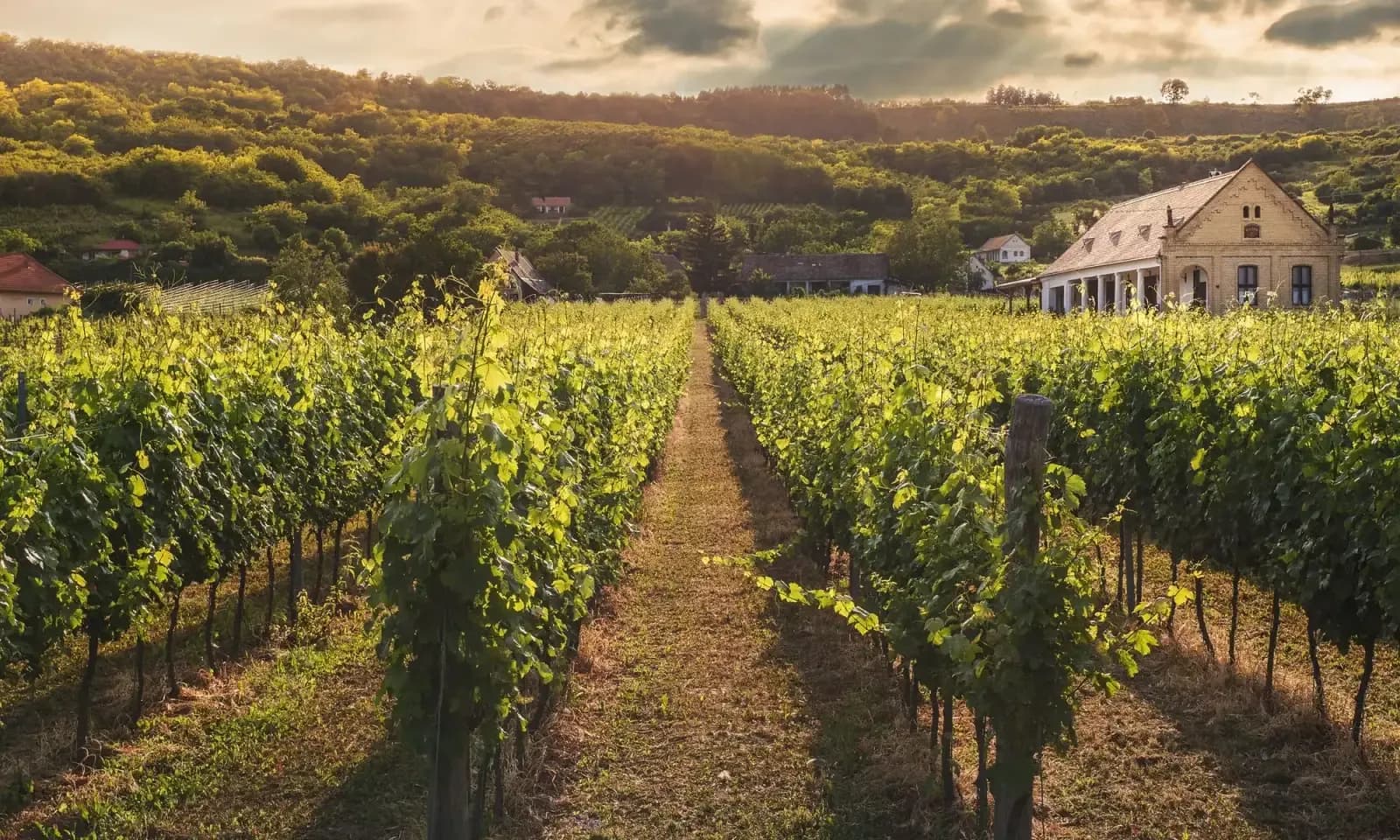
A cellar door is the producer’s licensed tasting room: a place to try a range, ask how the wine was made, and buy bottles from the person who put them in glass. It is not a picnic with a tap. It is not a loophole in the liquor laws. You still need to be 18. Staff can still refuse a pour.
Australians use “cellar door” for rooms that look like barns, rooms that look like galleries, and rooms that are simply a counter at the end of a shed. The architecture is not the point. The point is that you are tasting at or near the place the wine is finished, with people who can usually talk about the vineyard year without reading a script.
What you are walking into
Most cellar doors offer a set tasting — a short flight of current releases — and a chance to buy. Some offer seated tastings by appointment. Some offer food. Some are quiet on a Tuesday and tightly booked on a Saturday in school holidays. None of that is a ranking. It is a calendar.
Because the sale is licensed, responsible service still applies. Staff should ask for identification if you look underage. They should stop pouring if you are intoxicated. They should not fill a glass and wave you toward a car park as if the two facts were unrelated. If you are the designated driver, say so early and use the spittoon. It is there for that reason.
A tasting is a conversation with a product in the glass. You can ask what the GI on the label means, whether the vintage was even, whether the wine is intended to hold, and whether the same fruit appears under another label. You can also say that you do not like a wine. That is useful information, not a social failure.
Booking, groups and the shape of a visit
Book when the producer asks. Vintage, weekends and any day that coincides with a local event will fill a small room. Groups change the visit: a table of eight is a different service problem from two people who want to talk about riesling. If you are organising others, say how many, whether anyone is under 18 (they should not be tasting), and whether anyone needs step-free access.
Arrive with time. A rushed tasting teaches you little and pressures staff to pour faster than they can explain. If you have a lunch booking elsewhere, leave earlier than your optimism suggests. Country roads and cellar-door conversations both run long.
Dress for the place. Gravel, grass, sun and cold sheds are more common than polished floors. Closed shoes help if you are invited past the tasting bench. You are a guest in a workplace that also happens to pour wine.
How to taste without turning it into a performance
You do not need a vocabulary. You need attention. Look at the wine, smell it, taste it, and decide whether you would drink it with food you actually cook. Spit or use the dump bucket if you are tasting more than a couple of wines, and especially if you will drive. Water and a plain biscuit, if offered, are there to reset your mouth, not to pad the visit.
If a wine is corked or otherwise faulty, say so calmly. A good cellar door will replace the pour. If you simply do not like the style, say that too. “Too oaky for me” is clearer than a silent grimace.
Take notes if you intend to buy later from a merchant. A cellar-door memory fades on the drive home. Vintage, variety, GI and a few words about weight or sweetness will serve you better than a souvenir glass.
Buying at the source
Buying at the cellar door can be the right way to take home a wine you have just understood. It can also be a way to over-buy because you are happy, the light is good, and someone has been kind. Pause between the last taste and the card. Ask yourself whether you would still want the bottle on a Wednesday.
Some wines are only sold at the door or to a mailing list. That is a distribution choice, not proof of superiority. Some wines are widely available through merchants who may store them well and deliver them under the same liquor rules. This site will not tell you that one path is cheaper. It will tell you that the wine should still match the label and that the seller should still be licensed.
If you want a case, ask about holding it until you can transport it without cooking it. A warm car is a poor cellar. If you flew in, ask about shipping through a licensed arrangement rather than inventing your own freight. The storage guide applies as soon as the bottle leaves the counter.
Regions, maps and the temptation to collect stamps
Australia’s cellar doors sit inside geographical indications kept by Wine Australia. Visiting a region is a good way to feel why a GI exists — a cooler slope, a maritime afternoon, a red-brown soil people will not stop talking about. It is a bad way to treat the map as a checklist of trophies.
One carefully tasted producer will teach you more than six hurried counters. If you are touring, pick fewer doors and give each of them the hour they need. Eat. Drink water. Decide in advance who is driving. The landscape will still be there if you skip a fourth tasting.
Do not ask staff to run down a neighbour. Do not demand a library wine that is not on the list. Do not treat a family business like a showroom that exists to validate your itinerary.
Food, children and the rest of the day
Some cellar doors serve food; many do not. Check before you arrive hungry. If children are travelling with you, confirm that the venue can host them in a non-tasting space. A tasting bench is not a playground, and liquor laws are not relaxed because a visit is billed as a family day out.
Dogs, picnic blankets and drones have their own local rules. Ask. National parks, private vineyards and council roads do not share a single etiquette.
If you are pairing the day with other stops — a town bakery, a lookout, a swim — put the tasting where it will not sit immediately before a long drive. The point of a cellar door is attention. Give it some.
What cellar door staff can and cannot do
They can pour what they are licensed to pour. They can explain the vineyard year in the terms they trust. They can refuse service. They cannot change a GI on a label, invent a vintage, or sell you a wine they do not have. They cannot put a minor on a tasting. They cannot tell you it is fine to drive after a full flight.
If you want a fact about origin, ask them to show you the claim on the bottle and, if needed, look it up later on the Wine Australia register. A good story about a paddock is still a story until it matches a registered indication or a honest “Wine of Australia”.
After you leave
Pack bottles so they cannot roll and cook. Keep the receipt. If something is wrong when you open it later, contact the producer with the lot information. Do not assume a cellar-door purchase is beyond the usual courtesy of a fault conversation.
If the visit taught you that you like a style — a Clare riesling, a cool-climate pinot, a fortified from the warm inland — you now have a clearer idea of what to look for next time you buy. That is a successful tasting even if you bought nothing. The door will still be there on a later trip, and you will still need to be 18 to walk through it as a customer.
Accessibility, seasons and the working vineyard
Ask about access before you promise a visit to someone who uses a wheelchair, travels with a pram, or tires on gravel. Many cellar doors are beautiful because they are close to the work: steps, crush pads, dogs, and a car park that turns to mud after rain. A good producer will tell you the truth about the last twenty metres. That truth is more useful than a pretty photograph.
Vintage changes the visit. During harvest the people you hoped to talk to may be on a crusher. In midwinter a small room may be the only warm place on the property. In January the same room may be a greenhouse. None of that is a reason to stay away. It is a reason to book, to wear a hat, and to remember that you are visiting a farm that also happens to pour.
If you are offered a vineyard walk, stay on the path you are shown. Fruit on the vine is not a buffet. Machinery is not a sculpture. Ask before you photograph staff at work. The bottle you buy will still be there if you leave the forklift out of your album.
Shipping from the door versus carrying it yourself
Carrying a couple of bottles in a dark bag is simple if the drive is short and the car is cool. Carrying a case across a state is a storage problem wearing a seatbelt. Ask whether the producer can ship through a licensed arrangement to your home, and whether they will hold the wine until the weather is less hostile. The answer may be no. That is still a useful answer. It tells you to buy less, or to buy later from a merchant who already holds the same wine in a warehouse built for it.
Do not invent your own freight with a friend in a van unless that friend is entitled to carry liquor and you are entitled to receive it. Informal workarounds are how a pleasant Saturday becomes a compliance problem.
If the wine is sparkling or destined for a long hold, treat the first night after purchase as part of the cellar-door visit. Get it into the quiet, dark place you actually have, not the one you intend to build.