Wine buying in Australia is a licensed trade with a few honest paths and a long list of noisy ones. You can walk into a specialist shop, order from a website, taste at a cellar door, raise a paddle at auction, or join a club that sends mixed cases. Each path can be perfectly respectable. Each path can also waste money if you treat it like a hunt for a secret ranking.
This site exists to slow that hunt down. It explains how the channels work, what a label is allowed to claim, and which questions are worth asking before you pay. It does not sell wine. It does not publish a league table of merchants. It does not invent a cellar-door special or a hammer price. Where a fact is official — legal age, geographical indications, labelling rules — it points to the body that keeps the rule.
Start with the merchant question even if you already know the region you like. A careful seller with ordinary shelves will usually serve you better than a glamorous website that cannot tell you how the stock was stored in January. The buying guide sets out the checks: licence, storage, delivery, substitutions, and the difference between a description and a story.
If you would rather taste at the source, a cellar door is a tasting room attached to a producer. It is still a licensed sale. It still asks you to be 18. It is a good place to understand a single vineyard’s range and a poor place to drive home after a long flight of pours. Book if the producer asks you to. Spit if you are driving. Buy the bottle you actually liked, not the one that sounded most like a souvenir.
The secondary market is different again. Wine auctions can move older bottles, odd lots and cellar stock that never appears on a retail shelf. They also add fees, condition risk and the possibility that a famous name has lived a hard life. Read the condition note. Ask about storage. Treat provenance as a document trail, not a feeling.
Once the wine is yours, storage and cellaring decide whether it is still the wine you bought. Most bottles are made to drink in the near term. A minority repay patience. None of them enjoy a week on a sunlit windowsill. A quiet cupboard that stays reasonably cool will look after weeknight wine. Longer holding asks for darkness, steadiness, and a decision about whether a professional store is worth the extra handling.
Origin is easier to talk about once you know how Australia writes it down. Wine Australia keeps the Register of Protected Geographical Indications and Other Terms. A GI can be a state, a zone, a region or a sub-region. Familiar names — Barossa Valley, McLaren Vale, Coonawarra, Hunter, Yarra Valley, Margaret River, Tasmania — are registered indications, not a popularity chart. The regions primer explains the hierarchy and why a blend can still be honest.
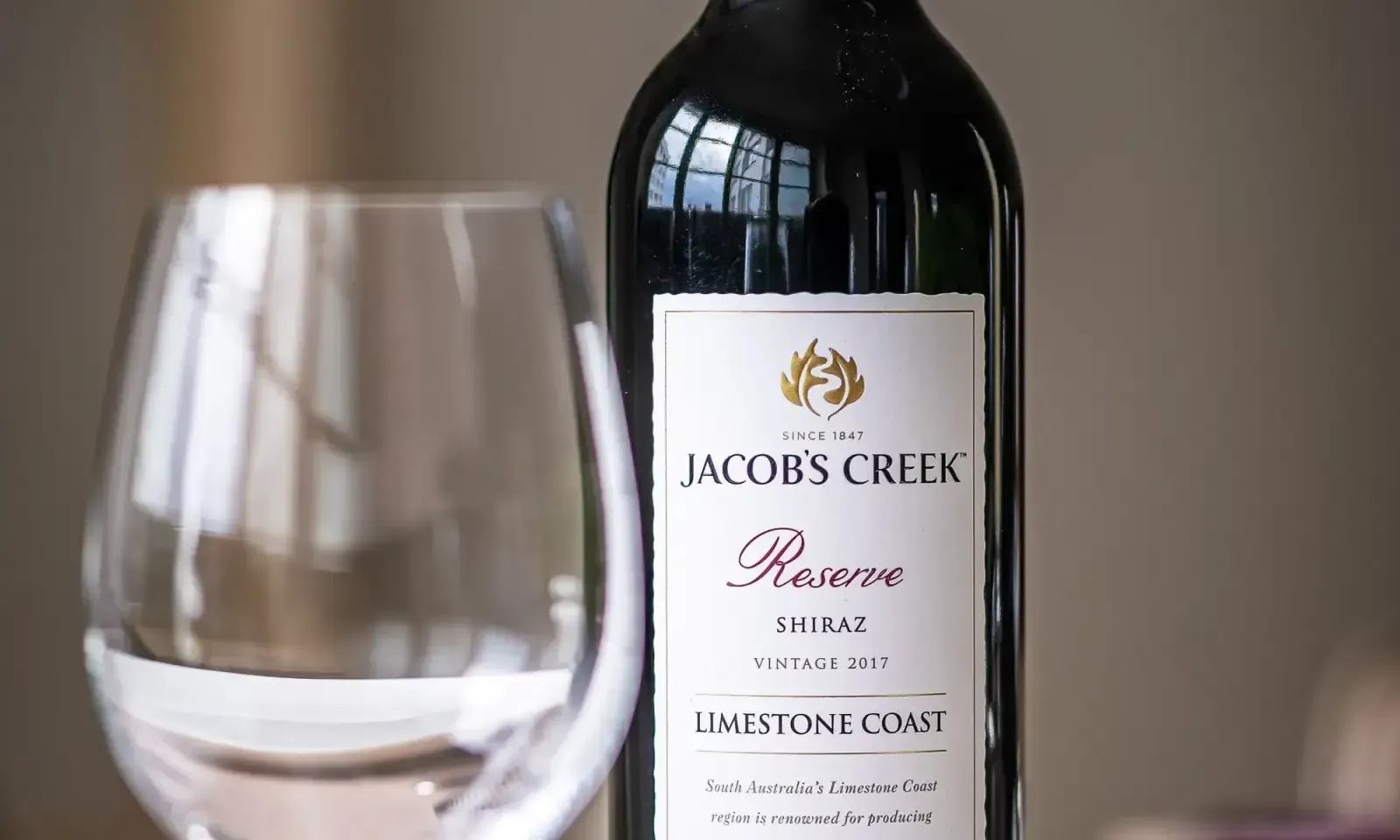
Then there is the label itself. Reading a wine label is less romantic than a tasting note and more useful. Some words must appear: the name of the food, volume, alcohol, country of origin for domestic stock, standard drinks, allergen statements when they apply, and the pregnancy warning. Vintage, variety and GI are optional. If a producer uses them, the Wine Australia Regulations 2018 set composition thresholds — generally at least 85 per cent for a single claim.
Finally, none of this matters if the sale is unlawful. Responsible service is not a slogan for a doorway sign. It is the reason a website asks your age, a courier asks for identification, and a cellar door can refuse a pour. The Australian Government’s health department states the common rules: you must be 18 or older to buy alcohol, and it is illegal to sell alcohol to a person under 18 or to someone who is already drunk. State and territory liquor laws add the licence detail.
Use the guides in any order. They share one stance. Prefer a licensed seller who can describe the wine without theatre. Prefer a label you can parse. Prefer storage that is boring. Drink only if you are 18 or older, and drink as if tomorrow still has a morning in it. For help with alcohol, DrinkWise is a public starting point.
If a page here cannot answer a practical question — a delivery refusal, a damaged bottle, a label that seems to promise two places at once — ask the seller first, then the relevant regulator. We will keep the guides aligned with those primary sources and leave the shopping to you.